
The Problem
Students know they should manage time better, but often don’t, and feel worse for it.
Students don't fail at productivity because they don't care. They fail because the tools built to help them add pressure instead of removing it. Every missed deadline, every abandoned Pomodoro session, every guilt spiral at 11pm, that's the problem space I was designing for.
How might we help students build sustainable study habits without making productivity feel like another source of pressure?
Why Timie? Competitor Analysis
Existing tools solved different parts of the problem. TIMIE explored how focus, task management, and emotional wellbeing could work together in one student-centred experience.
All three apps solve one piece of the puzzle. Forest and Flora help you focus during a session. Todoist helps you organise what to do. None of them ask how you're feeling or use that to help you study better. Timie combines focus, tasks, and emotional wellbeing into one calm, student-centred experience.
The Solution
What if a timer could also help with your mental health?
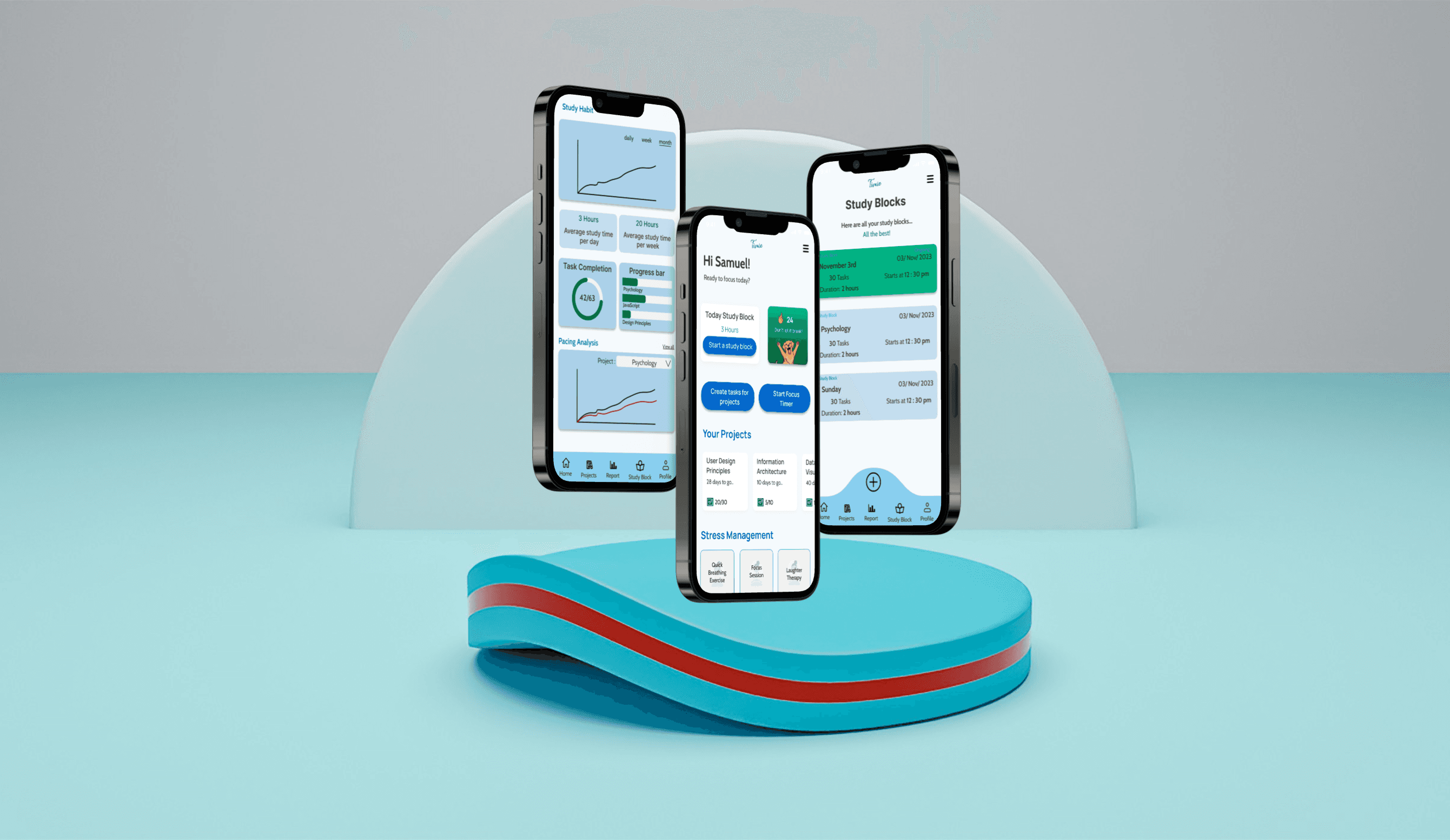
TIMIE is a mobile app designed to help students develop sustainable study habits through focus, reflection, and encouragement.

🎯 Organize your day with Study Blocks and a Focus Timer
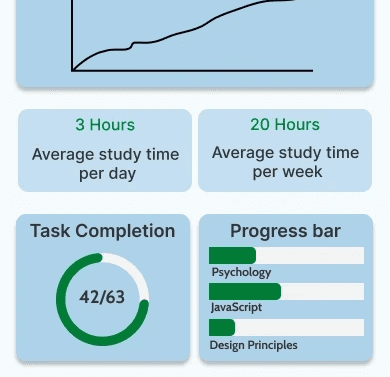
Students can break their day into Study Blocks, grouping tasks by project or subject. Each block can be paired with a Focus Timer, helping them build momentum without pressure. Tasks are tracked and streaks are celebrated, turning progress into a satisfying ritual.
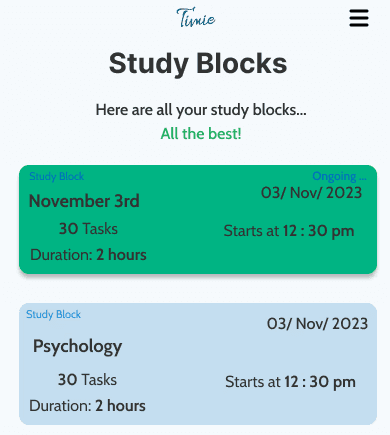
Study without pressure
Feelings matter…
Build self-awareness through Mood Check-ins and Reports
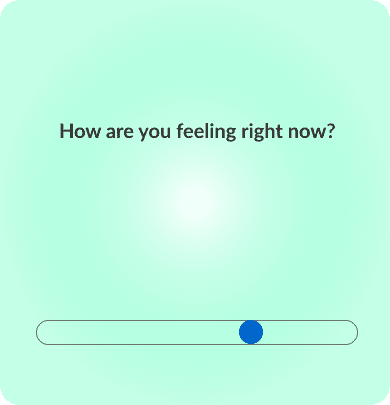
Before and after studying, TIMIE prompts students to reflect on their mood. These moments of pause fuel weekly Reports that help them understand how their focus and feelings are connected, making it easier to plan realistically.
🌱Stay motivated with a Pet Companion and Rewards
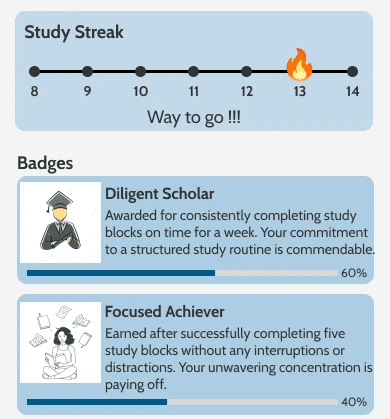
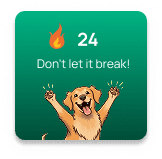
Students are joined by a virtual pet that grows as they stay consistent. Along the way, they unlock fun rewards like pet accessories and achievement badges, celebrating healthy habits in a gentle, playful way.
Stay Motivated!
Unpacking the Challenge
Real stories from real students shaped everything.
User Research

I conducted 10 semi-structured interviews and collected 23 independent survey responses to understand students’ productivity habits, emotional blockers, and expectations of productivity tools.
User Interview
1. Students Face Heavy Workloads and High Stress
Balancing coursework, internships, and personal life leads to significant stress, especially during challenging semesters. External pressures like strikes add to the burden, making effective time management essential.
2. Motivation and Distractions Shape Study Habits
While motivation comes from learning, grades, and accomplishment, students constantly battle distractions from social events to smartphones that interrupt focus and productivity.
3. Desire for Flexible, Supportive Tools
Students want adaptable features like adjustable timers, motivational feedback, gentle reminders, and distraction blockers. They also look for tools that help prioritize, track progress, and encourage self-care for sustainable study routines.
How Behavioral Design Shaped Timie’s Features
Research alone doesn't make a product. I used the findings to map specific student problems to psychological principles, then translated those directly into design decisions:
From Problems —> To Psychology —> To Solutions
I was inspired by BJ Fogg’s behavior model and emotional design principles by Don Norman.
✨ From Insight to Interface
Turning research into a calm, intuitive product experience.
Timie’s structure reflects the behavioral principles behind it. Designed around four key modules that gently guide students through their day with clarity, calm, and focus.
Information Architecture & User Flow
—> Projects Overview
—>Task Lists (with subtasks)
—>Deadlines & Calendar View
—>Priority Settings
—>Task Batching (by context/type)
—> Virtual Pet Dashboard
—>Rewards & Achievements
—>Deadlines & Calendar View
—>Daily Streak Tracker
—>Encouraging Nudges / Messages
—> Focus Timer (Pomodoro-style)
—>Distraction Blockers
—>Deadlines & Calendar View
—>Break Suggestions
—>Energy Check-ins & Encouraging UI
Analytics & Insights
—> Progress Visualization (graphs, badges)
—>Mood-Based Suggestions
—>Productivity Trends
—>Personalized Insights
Building the Brand Behind Timie
#89CFF0
#EDEBEB
#0070BD
#007C34
Colour - Calm by Design
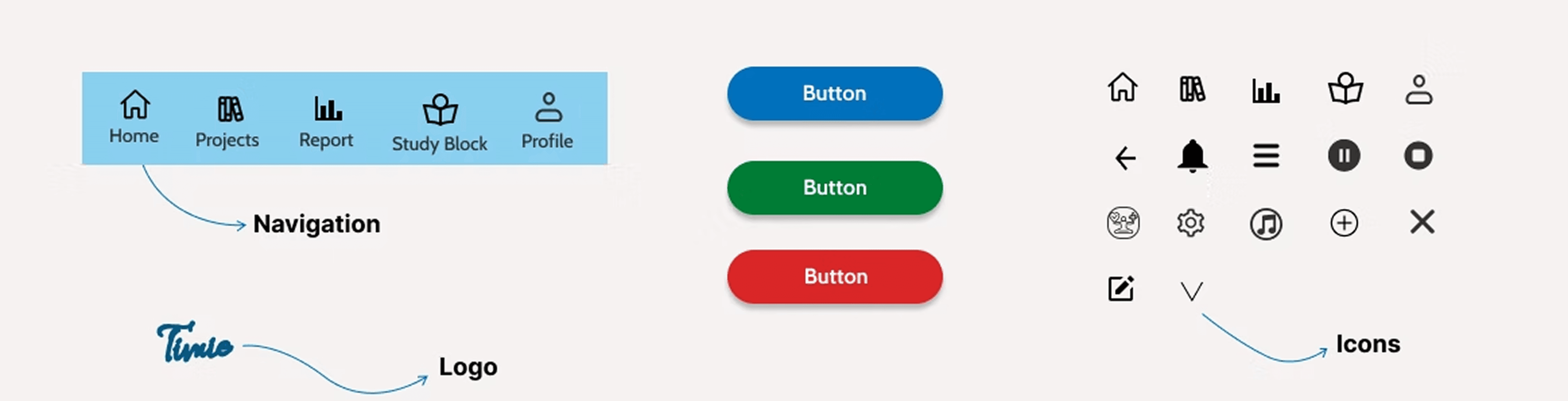
Soft, airy blues paired with clean whites and light neutrals. Blue signals focus, trust, and mental clarity, exactly what students need when sitting down to do the work. No visual noise. No unnecessary tension.
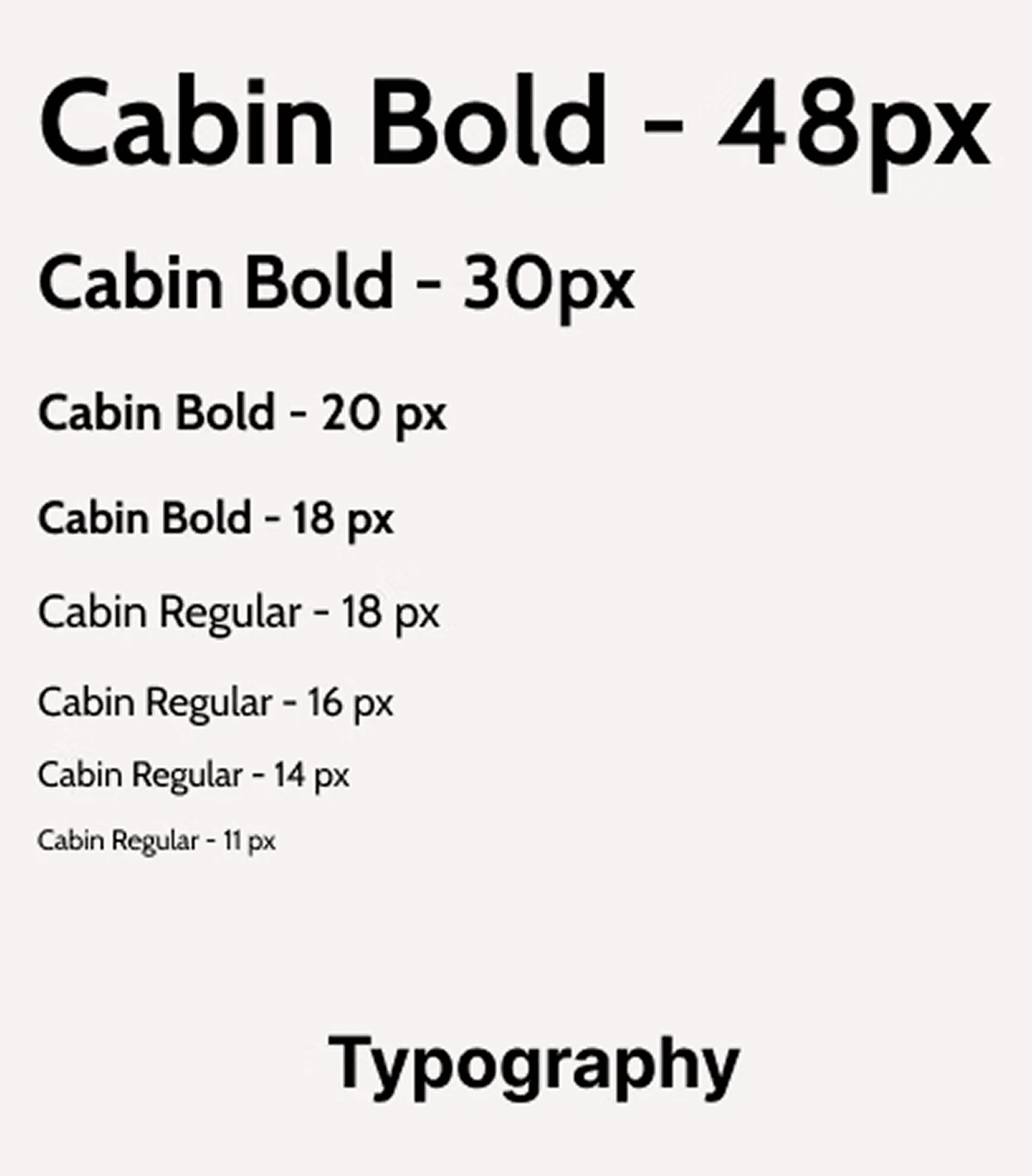
Typography - Friendly but Focused Cabin Bold
Warm, legible, and confident without feeling cold. Its rounded letterforms carry Timie's softness all the way down to the smallest microcopy nudge.
Shape & Interaction
Rounded corners on every card and button signal safety over urgency. Gentle micro-animations, a timer that eases in, a pet that bounces softly make the app feel alive and quietly encouraging.
🧪 Testing with Students to Refine What Actually Works
I brought Timie in front of real students to see what resonated and what didn’t. Through two rounds of testing (low- and high-fidelity), I gathered feedback on usability, emotional tone, and how well the features aligned with student needs.
Here’s how real feedback shaped real design changes:
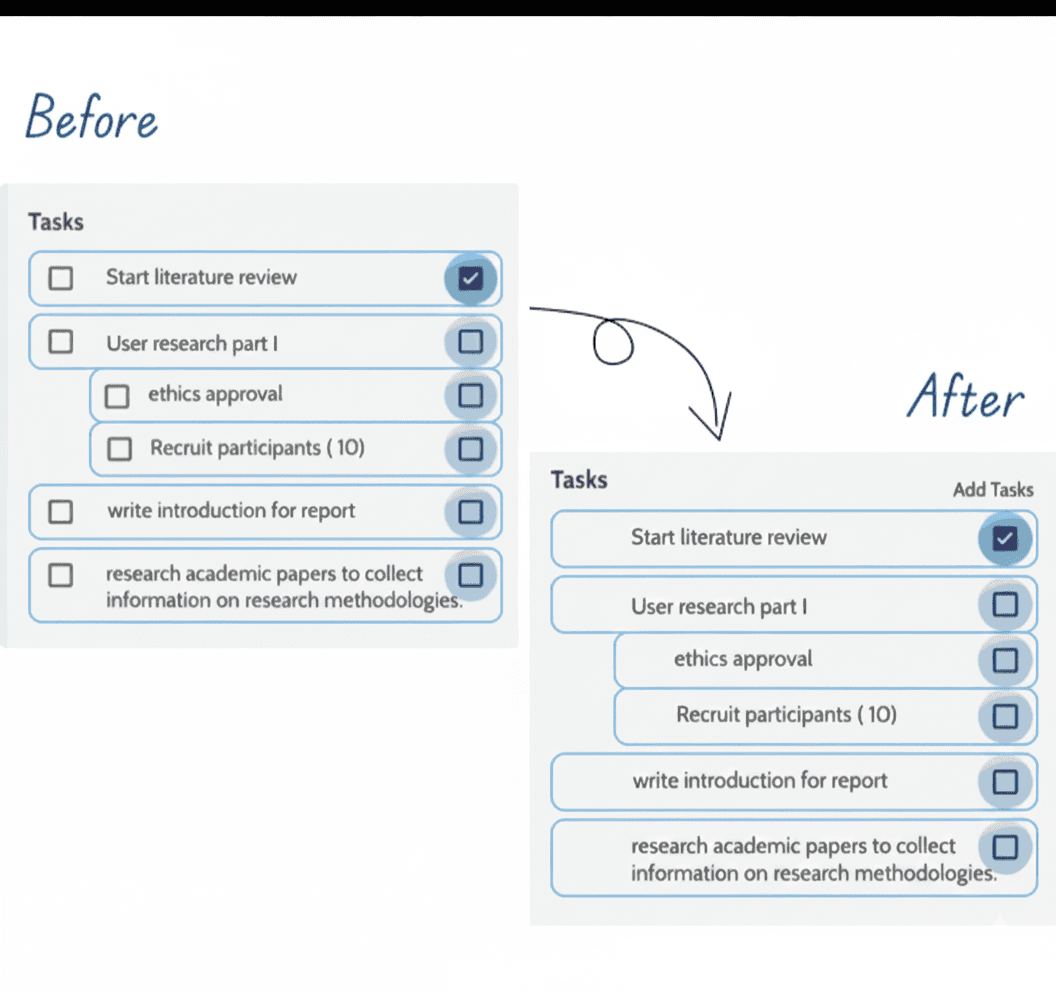
🧠 Task selection was unclear
“The mechanism for selecting and deleting tasks in the study block was really confusing.”
What I observed:
Users missed the selection controls and tried alternative interactions such as swiping or long-pressing.
What I changed:
Removed unnecessary checkboxes
Increased visibility of selection controls
Added a clearer “Add Task” CTA
👀 Study Block screen felt overloaded
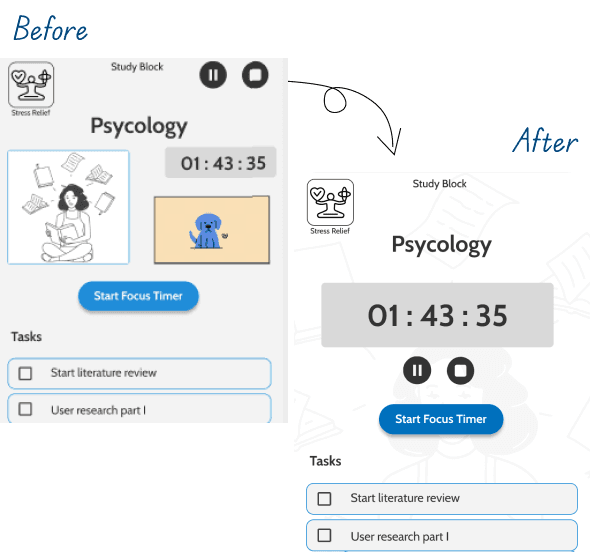
“When I open this page, there are too many elements to look at.”
What I observed:
The Study Block home screen caused cognitive overload. Users hesitated before interacting and missed key actions because the layout felt too busy.
What I changed:
✅ Simplified the overall layout
✅ Decluttered timer controls
✅ Grouped related actions for smoother scanning
🐶 Pet distracted users during focus
“I sometimes find it hard to focus on my tasks with the presence of pets in the timer.”
What I observed:
While the pet feature added charm and emotional support, its presence during focus time pulled attention away from the actual goal: deep work.
What I changed:
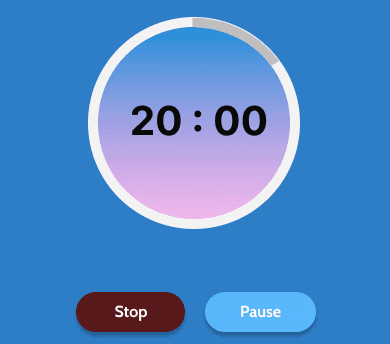
✅ Removed pets from focus mode
✅ Introduced a soothing gradient background
✅ Made the timer cleaner, calmer, and more intentional
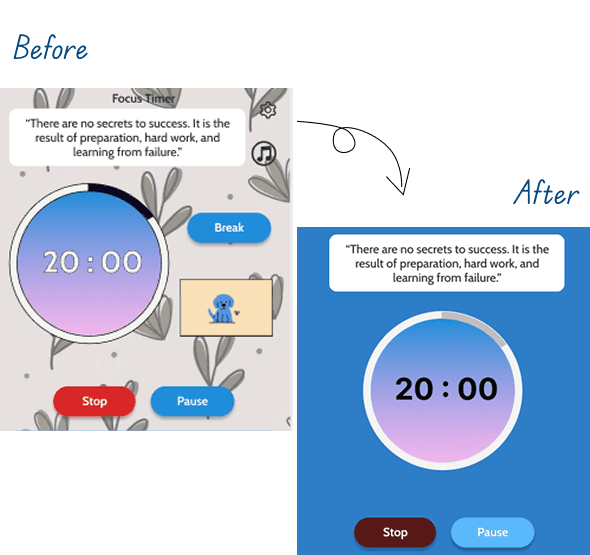
Takeaway
Testing wasn't about removing charm, it was keeping focus, reducing friction and making Timie truly work for students.
🌱 Outcome & Reflection
Real students. Real reactions. Real change.
Testing with 5 students, a small but consistent sample showed clear directional improvements after two rounds of iteration:
🏁 25% Faster Task Completion
Students moved through study block setup and timer flows noticeably faster after the layout simplifications , less hesitation, fewer wrong taps.
✅ 80%+ Drop in Errors & Confusion
Redesigned task selection, clearer CTAs, and a decluttered home screen meant users rarely got stuck, a stark contrast to early testing sessions.
💛 3 in 5 Students Said "I'd Use This Daily"
Unprompted, multiple students said Timie felt different from other productivity apps; less like a to-do list, more like something that was rooting for them.
These are directional findings from a small academic study, not statistically significant benchmarks. What mattered was the consistency of the pattern across every participant.
TIMIE was my first full end-to-end UX project and taught me that good product decisions aren’t always about adding functionality. Sometimes the strongest intervention is removing friction, changing an interaction, or writing a small piece of copy that makes an experience feel easier to approach.
What I'd do differently:
If I ran this project again, I'd collapse the research and testing phases into tighter parallel loops instead of running them sequentially. I lost time waiting to "finish research" before testing ideas I already had. I'd also invest in accessibility from day one. A calm, supportive app that doesn't work for students with visual impairments or ADHD contradicts everything it's trying to be. And I'd push for a larger, more diverse testing group, 5 students from the same academic context is a starting point, not a validation.
If I continued, I’d explore:
More personalization, like adapting to users’ energy levels
Community features to boost study accountability
Calendar integration for smoother task management
Future Ideas💡